Reasons You Require Expert Wildlife Control Solutions for a Safer Home Environment
Wildlife encroachments present significant threats to domestic security. Many property owners downplay the potential hazards linked to wildlife in their homes. Professional wildlife removal providers provide crucial expertise in handling these risks. They not only address current invasions but also implement measures to prevent future occurrences. Comprehending the health consequences and the techniques used by these experts is vital for maintaining a secure home setting. What particular threats do these animals bring, and how can specialists successfully mitigate them?
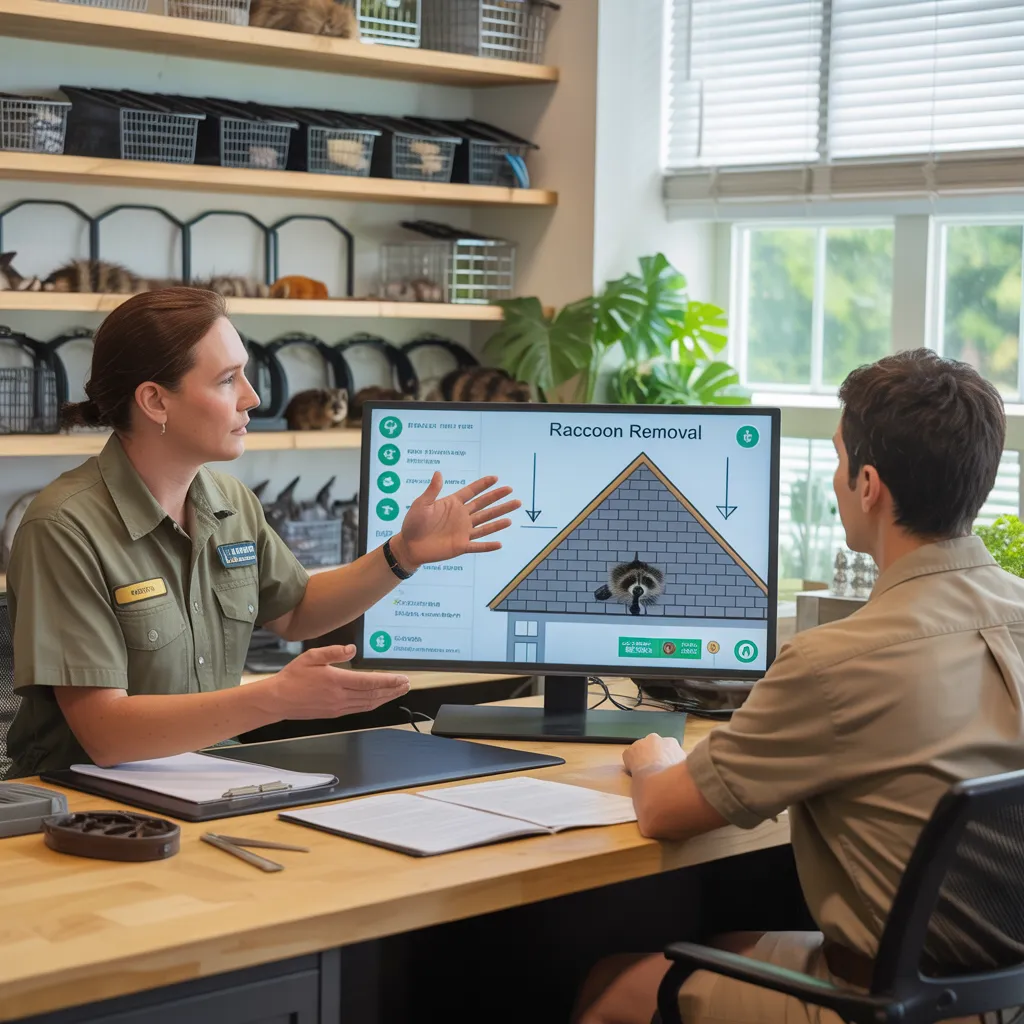
Why You Ought to Be Anxious About Creature Encroachments
Animal invasions represent substantial risks to residences and properties. Creatures like raccoons, squirrels, and bats can enter structures, causing potential harm and protective issues. These invasions commonly lead in structural damage, such as damaged wiring, material damage, and compromised roofing. Moreover, creatures can carry in pests including fleas and ticks, which can impact both human and pet condition.
Moreover, numerous wild animals transport sicknesses that pose physical dangers to community members. Rabies, hantavirus, and leptospirosis are simply a handful of examples of the dangers presented by these intruding creatures. Their occurrence can create an environment of terror and anxiety for property residents, hampering everyday existence and peace of mind.
Dismissing the signals of wildlife intrusion can trigger mounting difficulties, making rapid identification and action imperative. Recognizing the ramifications of animal trespassing is important for sustaining a safe and secure home environment.
Why Professional Wildlife Removal Is Crucial for Safety
When homeowners encounter wildlife incursions, seeking professional pest control becomes essential for maintaining safety. Wild animals, such as raccoons, squirrels, or bats, can pose various threats, including property harm and potential harm to occupants. These creatures may chew through electrical wiring, compromise structural integrity, or establish unsanitary conditions.
Skilled wildlife removal specialists have the necessary training and tools to manage these situations safely and effectively. They comprehend animal behavior and can execute humane removal approaches, reducing anxiety for both the wildlife and the homeowners. Moreover, professionals can pinpoint entry points and provide suggestions for future prevention, reducing the likelihood of recurring problems.
What Physical Concerns Follow Wildlife in Your Home?
Discovering wildlife within your home presents several health risks that homeowners may not right away recognize. Creatures such as raccoons, rodents, and bats can harbor various ailments that create significant threats to human health. For example, raccoons are documented transmitters of rabies, which can be fatal without immediate medical intervention. Rodents, including mice and rats, can transmit hantavirus and salmonella through their droppings and urine, potentially leading in acute respiratory complications and intestinal illnesses.
In addition, animals can bring parasites like fleas, ticks, and mites into the home, which can affect both humans and pets. The presence of these pests may lead to allergic reactions and skin irritations. Moreover, the structural damage caused by wildlife can create hidden hazards, such as mold growth from moisture accumulation. As a result, understanding these health risks underscores the importance of resolving wildlife issues promptly and effectively.
Strategies Animal Management Experts Implement for Safety Risk Mitigation
To skillfully mitigate health risks linked to wildlife in homes, experts employ a systematic approach that stresses safety and thoroughness. Initially, wildlife removal specialists perform a detailed inspection to pinpoint entry points and evaluate the extent of the infestation. This assessment allows them to recognize potential health hazards, such as the spread of zoonotic diseases.
After the evaluation is complete, professionals employ humane trapping techniques to safely remove the animals, reducing stress for both the wildlife and residents. They also don protective clothing to prevent direct contact with wildlife and any contaminants that may be found.
Following removal, professionals meticulously clean and decontaminate the affected areas, managing feces, urine, and nest components, which may house pathogens. This sanitation procedure is critical to creating a healthy space. By executing these guidelines, wildlife removal experts substantially lower potential health dangers, delivering peace of mind to homeowners.

How Preventive Techniques Can Safeguard Your Home From Wildlife
Preventative strategies play an crucial role in protecting homes from wildlife intrusions, as preventive approaches can notably reduce the likelihood of undesired visits. Homeowners can begin by sealing gaps and cracks in foundations, walls, and roofs, which serve as entry points for various animals. Installing durable screens on ventilation openings and chimney areas further improves protection.
Preserving a clean yard is vital; getting rid of food sources, such as pet food or fallen fruits, can keep wildlife from drawing near. On a regular basis cutting back trees and shrubs can eliminate potential nesting sites and restrict access to roofs. Additionally, ensuring trash bins with tight-fitting lids lessens attractants.
Motion-sensing lights and audio deterrents installed around your property can also discourage nocturnal wildlife from getting close to homes. By deploying these preventive measures, homeowners can greatly lower the risk of wildlife intrusions, ensuring a more secure and enjoyable living environment.
How to Choose the Ideal Wildlife Removal Service
Picking the ideal wildlife removal service requires inspection of licensing and certification, as these papers warrant compliance with local regulations. Additionally, appraising the experience and expertise of the service provider can greatly impact the effectiveness of the removal process. A well-informed decision can result in a more smooth resolution of wildlife issues.
License And Certification Necessities
Engaging a wildlife removal service requires thoughtful evaluation of licensing and certification requirements to guarantee safety and legality. Licensed professionals comply with state and local regulations, assuring conformity with wildlife protection laws. Certification from authorized groups demonstrates that the service provider meets industry standards in compassionate trapping and extraction procedures. It is necessary to verify the credentials of any animal removal company, since this not only reflects their commitment to ethical practices but also protects homeowners from possible legal issues. Additionally, certified services often invest in ongoing training, keeping their methods up-to-date with the latest techniques and regulations. As a result, confirming licensing and certification is a critical step in picking a trustworthy and responsible wildlife removal service.
Knowledge And Competence Levels
A abundance of knowledge and skill can greatly influence the effectiveness of a wildlife removal service. Firms with extensive backgrounds in the field possess the abilities required to correctly recognize animals and understand their habits. This understanding enables customized approaches that ensure secure and compassionate extraction. Furthermore, seasoned experts are knowledgeable about local laws and regulations, which helps in adherence and reduces potential legal issues.
When selecting a wildlife removal service, it is advisable to review customer testimonials and inquire about the team's qualifications and training. A trustworthy company should also present regular continuing education for its staff members, making certain they stay current on proven methods and practices. In the end, choosing a company with proven experience can lead to a safer home environment.
Frequently Posed FAQs
How Much Will You Pay for Wildlife Removal Services?
Animal removal expenses typically range from $100 to $1,500, contingent upon factors such as the type of animal, the extent of the pest problem, and the particular services required. Pricing fluctuates considerably according to location and company.
What Classes of Wildlife Are Commonly Removed?
Commonly eliminated wildlife includes raccoons, squirrels, bats, and opossums. These animals often infiltrate homes, creating potential hazards. Professional services efficiently handle their removal, ensuring safety and preventing further infestations in related information residential areas.
Is Wildlife Control Conducted in a Humane Manner?
Wildlife elimination techniques can be humane, emphasizing safe relocation rather than elimination. Professionals often utilize traps and exclusion techniques created to reduce injury, guaranteeing that creatures receive ethical treatment while resolving human-wildlife conflicts successfully.
How much time will the extraction process take?
Removing the pests generally spans from a few hours to multiple days, contingent on the particular pest type, the extent of the infestation, and the approaches taken. Each situation demands a tailored approach for successful completion.
Will Wildlife Return After Removal?
Yes, creatures can return after removal if appropriate preventative precautions are not put in place. Sealing off entry points and eliminating lures are essential measures to make certain that animals do not re-inhabit the property in the future.